


The Science
Modern pain science. Made practical.


Understanding
The Science of Pain
Understanding pain
Understanding pain changes how you respond to it. Pain is not always a direct measure of injury. It is influenced by many factors — and when you understand this, things start to make more sense.
Pain is protective
Pain is your body’s way of protecting you. But when pain persists, the system can become more sensitive, it can respond more quickly and it can stay active longer than needed. This doesn’t mean something is wrong with you. It means your system is trying to protect you — just more than it needs to.
Why pain can change
You may notice your pain is worse when you’re stressed. Maybe it increases when you’re overwhelmed or settles when you’re calm or distracted. This is because pain is influenced by multiple factors, including your nervous system, your environment, your attention, focus and past experiences.
When it makes sense
When your pain feels unpredictable, it’s hard to respond to it. Once you understand what’s influencing your pain, you can reduce uncertainty, ease fear and respond more calmly and deliberately. This is an important stepping stone to recovery.

Daily Action
Why small changes matter
Because pain is influenced by many factors, small actions like shifting your attention, slowing your breathing, adjusting activity levels and changing how you respond to thoughts can make a big difference.
These are simple — but powerful over time.

Built on Science
Onnu is built on the principles of modern pain science.
A clinical approach
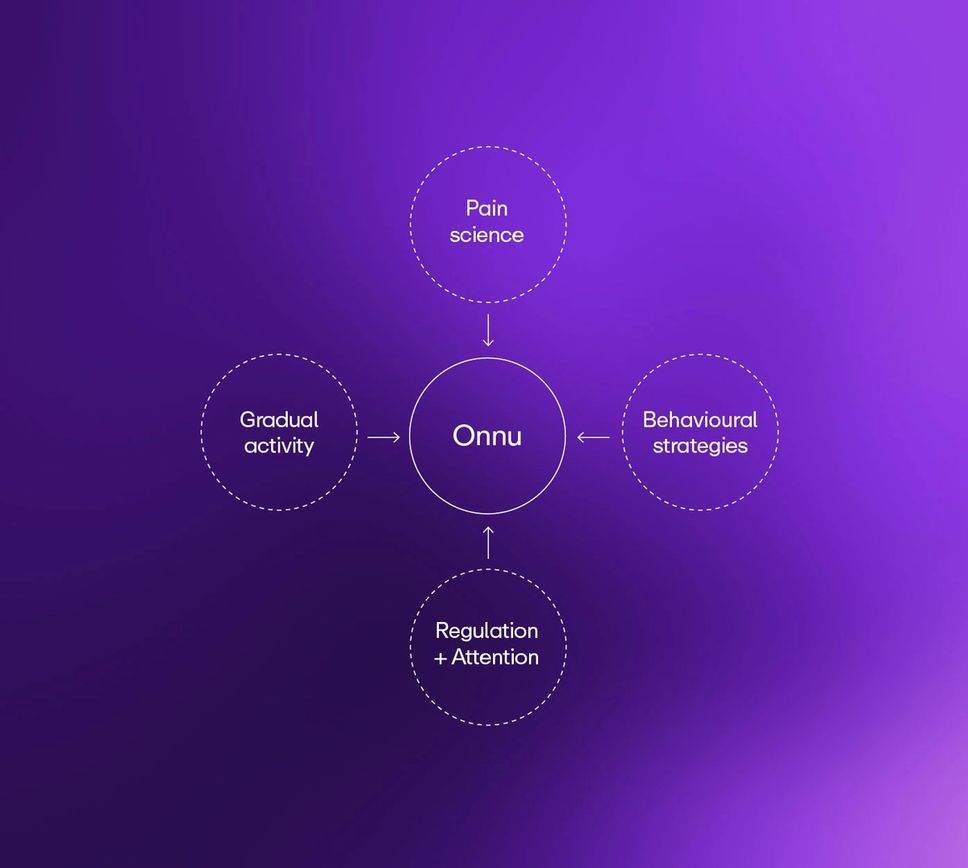
Onnu draws on modern pain science and approaches widely used in clinical practice to support people experiencing ongoing pain.
These include:
- Pain science education
- Behavioural strategies
- Gradual activity and pacing
- Regulation and attention techniques
Applied in a practical way
While modern pain science is well established, it can be difficult to apply the concepts day to day.
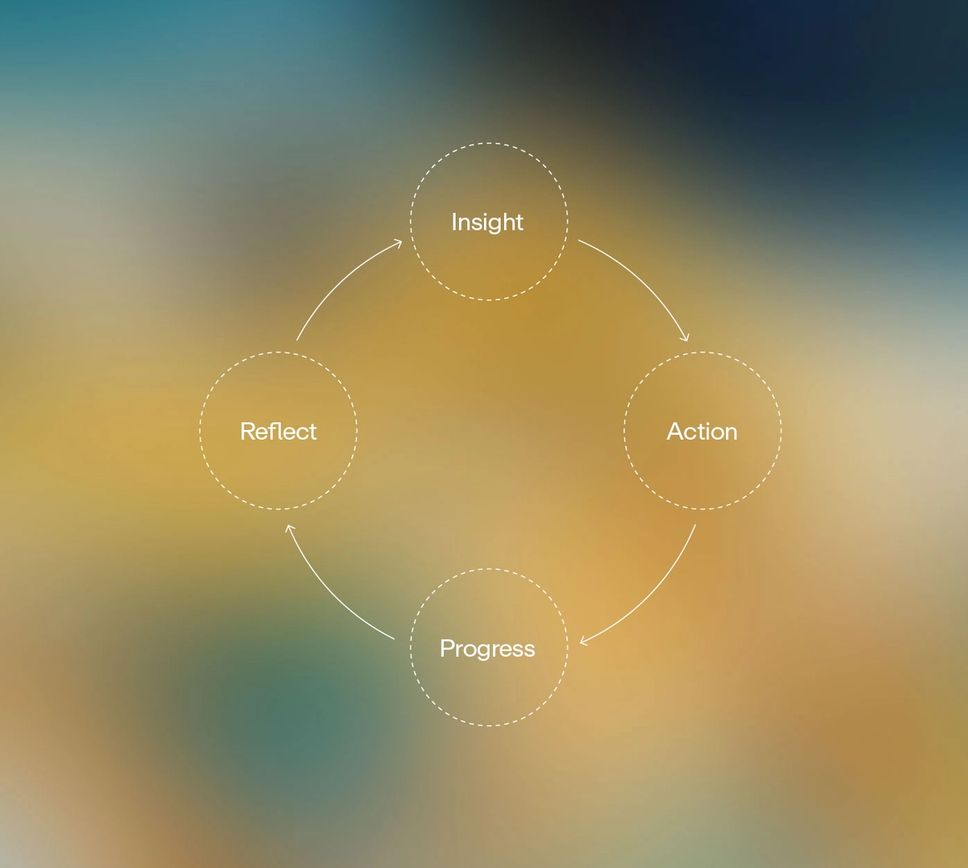
Onnu translates the science into:
- Clear insights
- Simple actions
- Repeatable steps
So you don’t need to work everything out at once. You just take the next step.
